What Replaced DesignBro? Best Alternatives in 2026
DesignBro and similar contest platforms are outdated. Discover modern design subscription services, freelance platforms, and AI tools that actually work.
Ready to scale your business?
Get professional design and development capacity without hiring overhead. Consistent quality, predictable costs, always available.
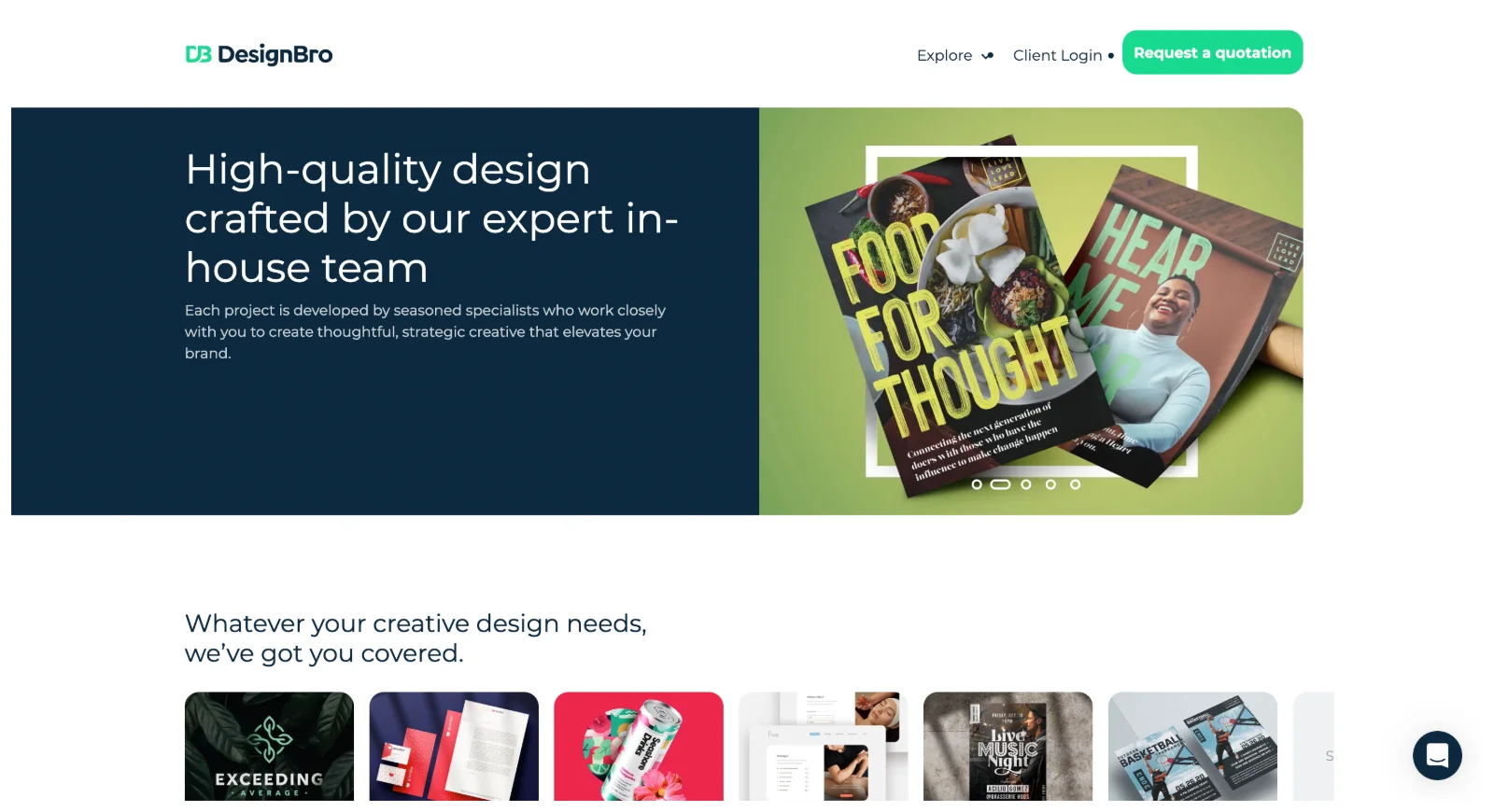
Get startedDesignBro operated as a design contest platform where businesses posted projects and designers competed for selection. While the model seemed appealing—multiple design options, pay only for what you choose—the reality created problems for both businesses and designers.
The platform faced significant criticism for underpaying designers, producing inconsistent quality through crowdsourced work, and acting as an expensive middleman that prevented direct designer relationships. Reddit discussions on r/graphic_design consistently called out such platforms for devaluing professional design work while delivering generic, low-quality results.
DesignBro has since faded from the market, joining other contest platforms facing industry pushback. The question becomes: what do businesses use now for professional design work?
Why design contest platforms failed
Contest platforms like DesignBro, 99designs, and similar services operated on a problematic model:
Designers competed for free work: Multiple designers created full concepts with only one getting paid. This meant professional designers spent hours on unpaid work, leading many to avoid these platforms entirely.
Quality suffered from the economics: With low pay and speculative work, these platforms attracted designers willing to work cheaply rather than experienced professionals. Businesses got quantity over quality.
Middleman fees inflated costs: The platform took significant cuts while paying designers minimal amounts. A business might pay $500 for a logo with the designer receiving $150-200 after fees.
Generic, templated results: With tight budgets and speculative work, designers often submitted template-based work with minor modifications rather than custom design solutions.
No ongoing relationship: After the contest ended, you had a logo but no designer relationship for future needs, revisions, or brand consistency.
The industry moved away from this model because it failed to serve either businesses (who got inconsistent quality) or designers (who deserved fair compensation for skilled work).
Modern design solutions that work
Professional businesses now use three main approaches for design needs:
1. Design subscription services
What they are: Monthly subscriptions providing unlimited design work through professional teams. You submit requests, receive designs, request revisions, and maintain ongoing access to design capabilities.
Best for: Businesses with ongoing design needs requiring consistent brand work across multiple projects monthly.
Pricing: Typically $500-$2,500/month depending on service scope and concurrent project capacity.
2. Freelance marketplaces
What they are: Platforms connecting businesses directly with individual freelance designers. You review portfolios, hire designers, and build direct working relationships.
Best for: One-off projects or businesses preferring to manage individual designer relationships directly.
Pricing: Variable based on designer experience, typically $50-150/hour or project-based pricing.
3. AI design tools
What they are: Automated design generators using AI to create logos, graphics, and basic brand materials. You customize templates and AI-generated options.
Best for: Very basic needs with minimal budgets or simple placeholder designs while building out proper branding.
Pricing: Free to $50/month for most tools.
Design subscription services
Renlar
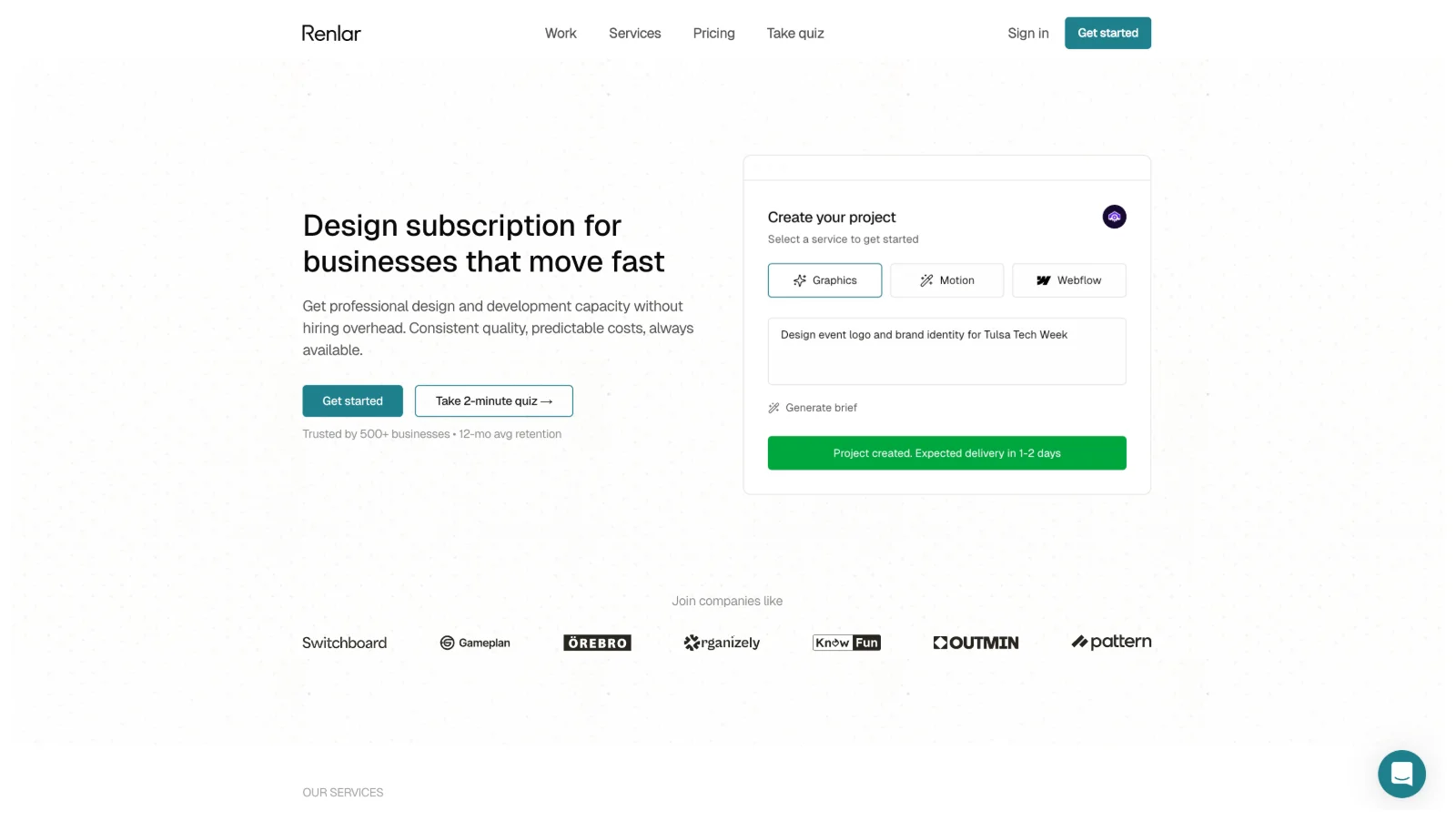 Renlar provides unlimited graphic design, video editing, and website development through monthly subscriptions for agencies and marketing teams. Unlike contest platforms, you work with professional design teams rather than hoping random designers submit quality work.
Service structure:
Graphics: Graphic design and video editing combined (2 concurrent projects)
Bundle: Graphics plus website development on Webflow and Framer (3 concurrent projects)
Agency: Full services with white-label capabilities (4 concurrent projects)
Pricing: $1,295-$2,495/month
How it works: Submit design requests, receive professional work within 2-5 business days, request unlimited revisions. Work progresses continuously without contests or speculation.
Best for: Businesses needing consistent design work monthly including logos, marketing materials, presentations, social media graphics, and website development. Particularly valuable for agencies requiring white-label capabilities.
Why it replaced contest platforms: Professional team delivery with predictable quality, unlimited revisions until satisfaction, ongoing relationship for brand consistency, and all designers get paid fairly for their work.
ManyPixels
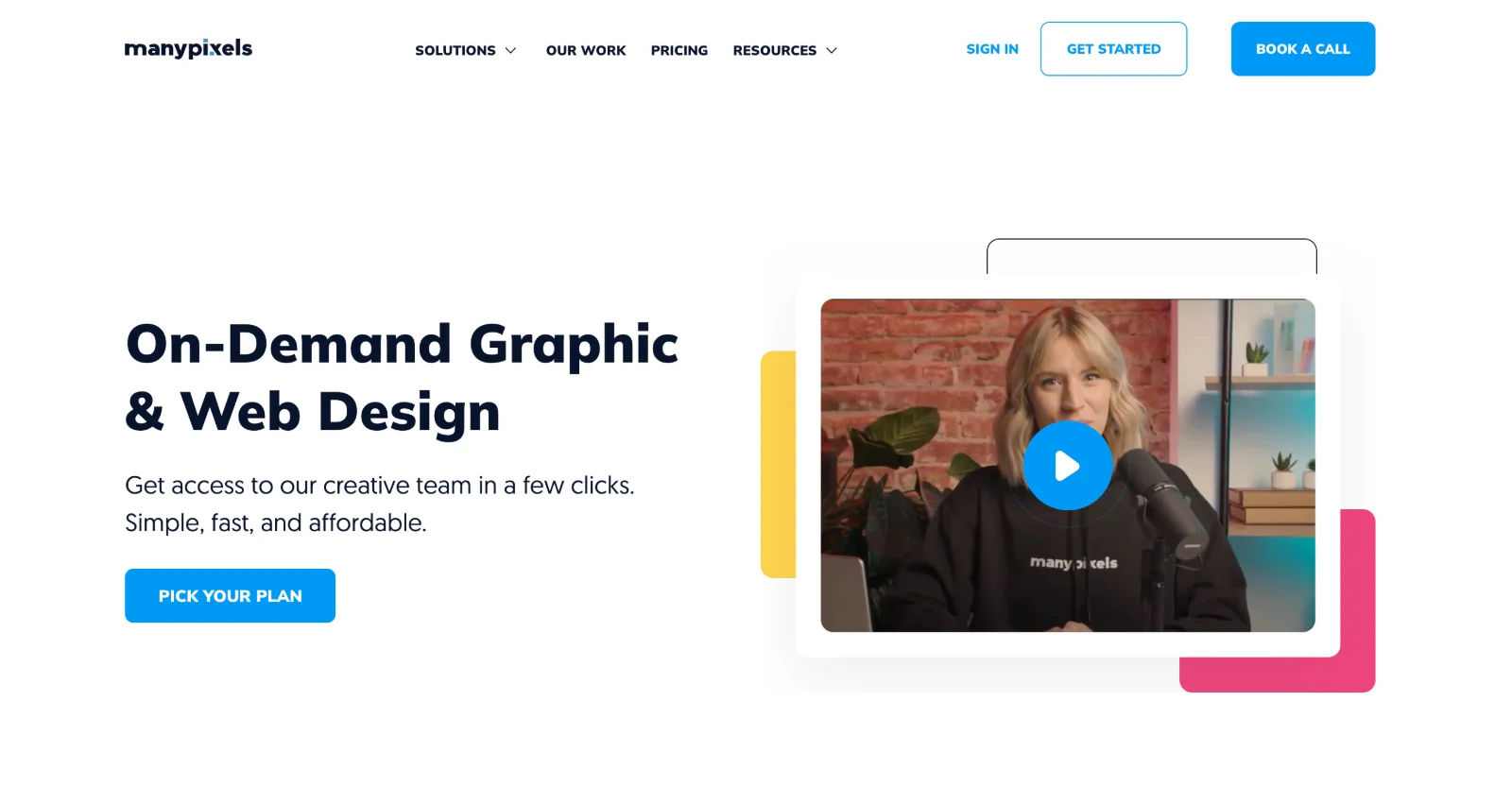 ManyPixels provides unlimited graphic design through team-based delivery starting at $549 monthly. The service covers graphic design and illustrations through multiple pricing tiers.
Service focus:
Graphic design and illustrations
Team-based delivery model
Tier-based feature access
Pricing: $549-$1,199/month
How it works: Subscribe to tier matching your needs, submit requests through platform, receive designs from professional team. Unlimited revisions included.
Best for: Budget-conscious businesses prioritizing graphic design volume with predictable monthly capacity.
Why it replaced contest platforms: Guaranteed professional delivery rather than hoping for quality submissions. Fixed monthly costs versus unpredictable contest fees. Ongoing access rather than one-off contests.
Freelance marketplaces
Fiverr
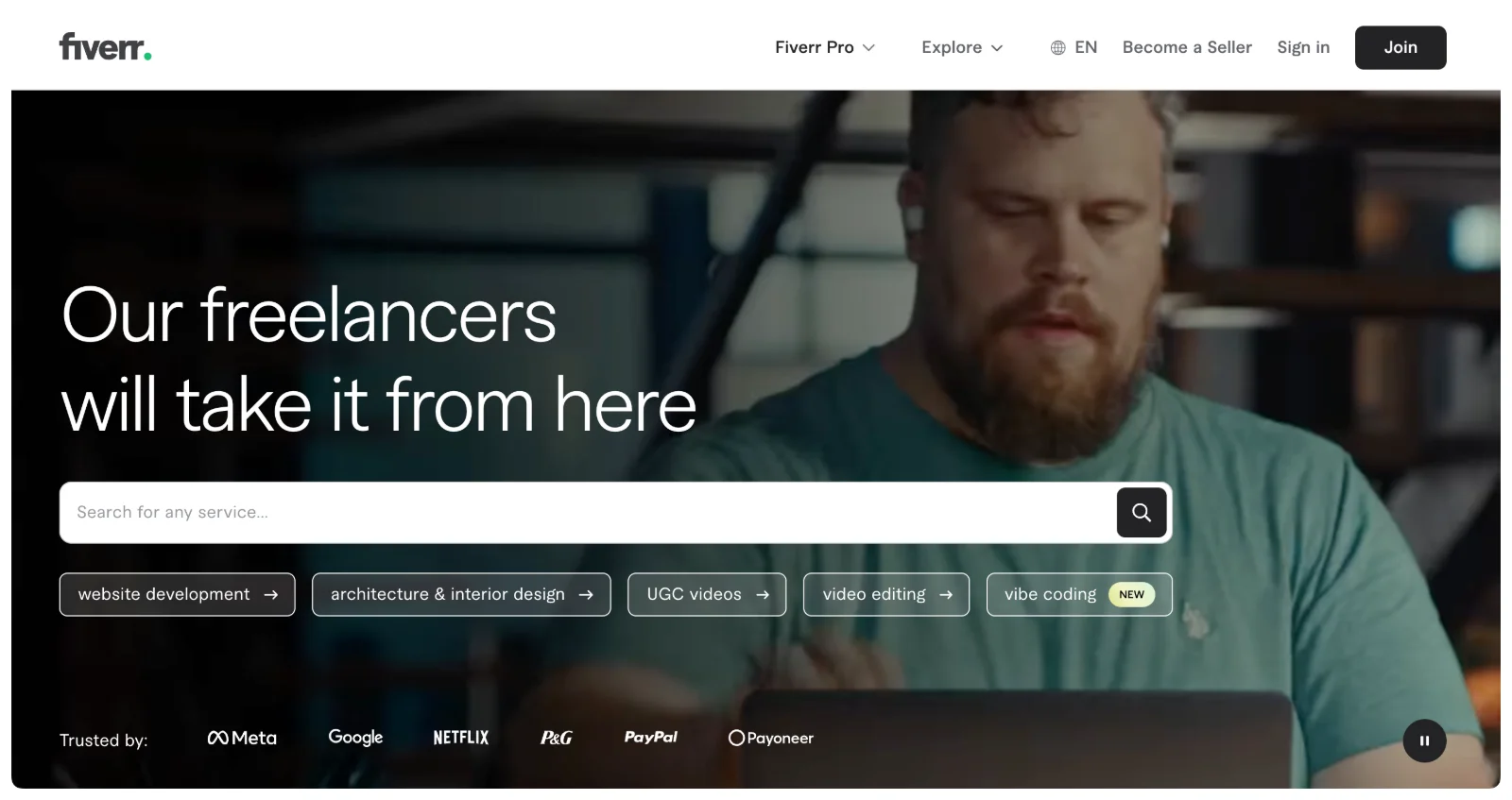 Fiverr connects businesses with freelance designers globally. You review designer portfolios, read reviews, and hire directly based on pricing and expertise level.
How it works:
Search for designers by specialty, budget, or style
Review portfolios and past client reviews
Purchase specific packages or custom projects
Communicate directly with designer throughout project
Pricing: Highly variable. Basic logo designs start around $25-100, professional work ranges $200-1,000+
Best for: One-off projects where you want to handpick specific designers. Good for businesses comfortable evaluating portfolios and managing direct relationships.
Why it replaced contest platforms: Direct designer relationships without middleman taking large cuts. Clear upfront pricing rather than contest fees. Portfolio-based selection rather than speculative submissions.
Considerations: Quality varies dramatically by designer. Review portfolios carefully and check reviews. Budget designers may deliver template-based work while experienced professionals charge appropriately for custom solutions.
Upwork
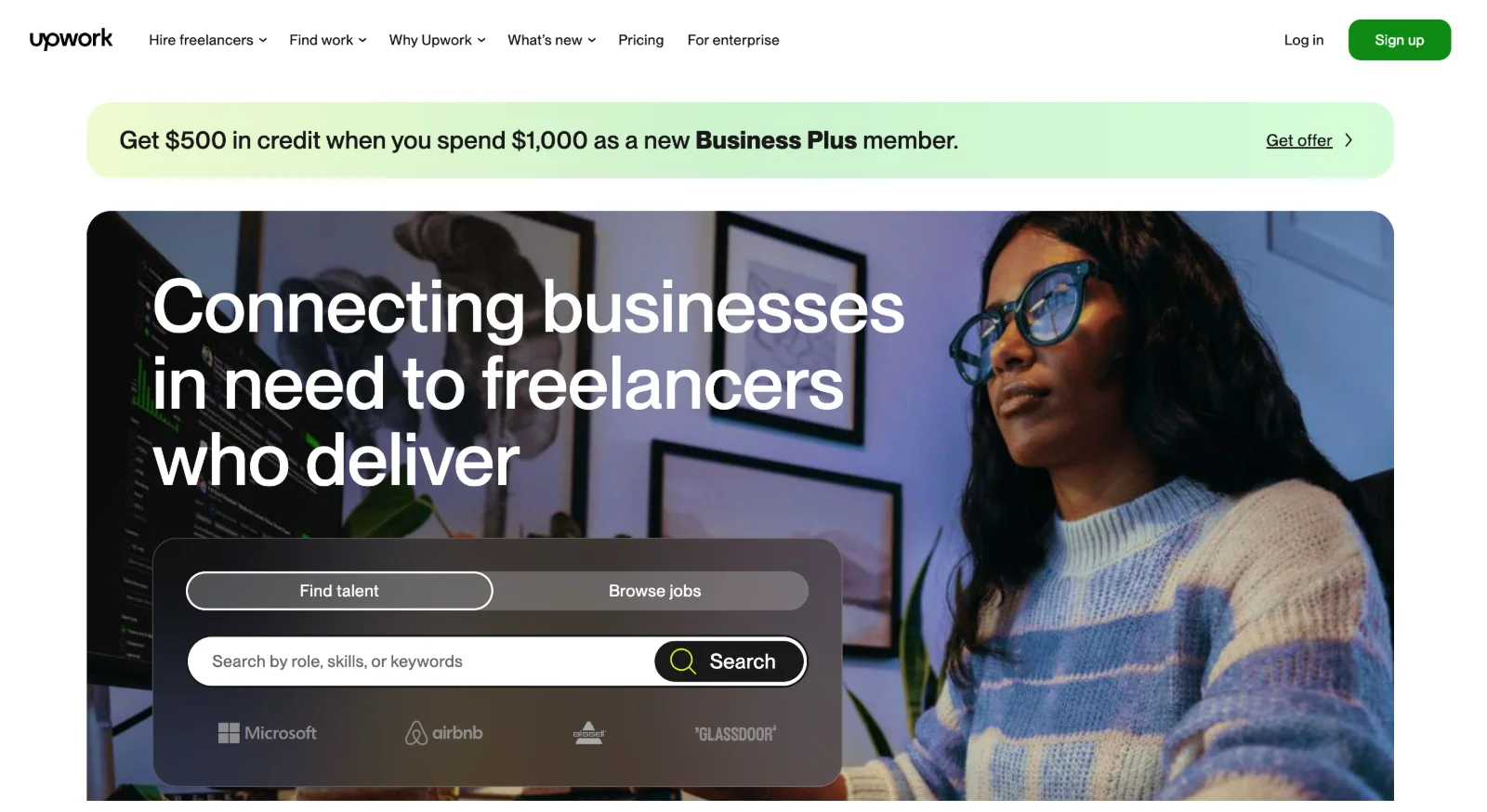 Upwork operates as a professional freelancing platform connecting businesses with designers through detailed profiles, work history, and hourly or project-based pricing.
How it works:
Post project details or search designer profiles
Review portfolios, hourly rates, and client feedback
Hire designers and manage projects through platform
Payment protected through escrow system
Pricing: Designers set their own rates, typically $30-150/hour depending on experience and specialization
Best for: Businesses wanting professional freelancers with detailed work histories. Good for larger projects requiring specific expertise.
Why it replaced contest platforms: Transparent pricing and designer qualifications. Direct communication throughout projects. Payment protection through escrow. No speculative work requirements.
Considerations: Higher average pricing than Fiverr reflects more professional positioning. Platform fees apply. Best for businesses with specific project requirements and budgets to accommodate professional rates.
AI design tools
Canva
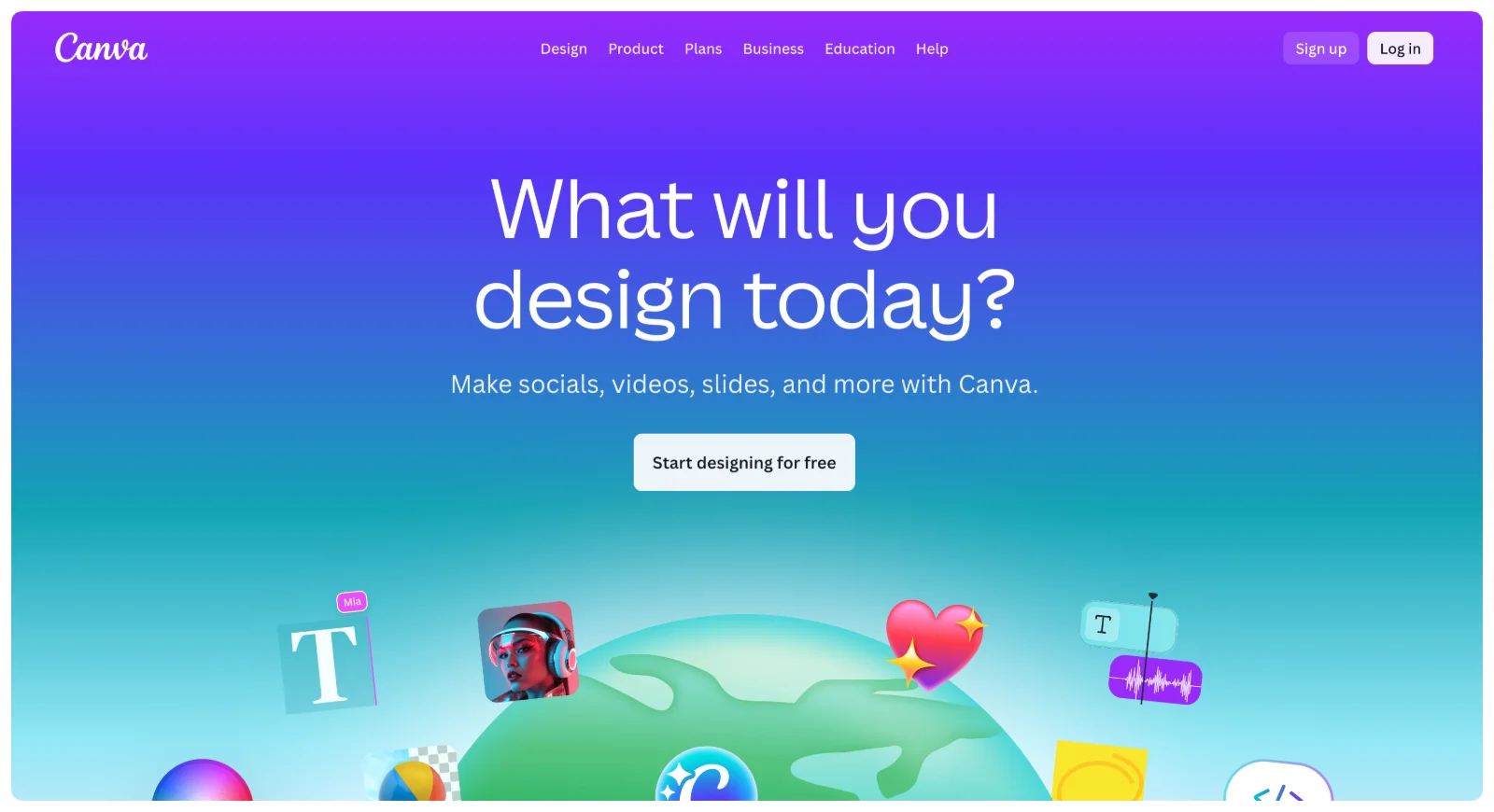 Canva provides design templates and AI-powered creation tools for graphics, presentations, social media content, and basic branding. The platform emphasizes ease of use for non-designers.
Service focus:
Template-based design for various formats
AI-powered design generation and editing
Brand kit management
Extensive stock photo and graphics library
Pricing: Free tier available, Pro at $15/month, Teams at $30/month for additional features
How it works: Choose templates or start from scratch, customize with drag-and-drop editing, use AI features for image generation and editing, export designs in various formats.
Best for: Internal documents, simple social media graphics, basic presentations, or temporary placeholders while building proper branding.
Why it replaced contest platforms: Instant access without waiting for contest submissions. Predictable low costs. Full creative control over designs.
Considerations: Template-based approach produces generic results. Professional designers can spot Canva designs immediately. Not suitable for serious brand work, investor presentations, or professional marketing materials requiring custom design.
Looka
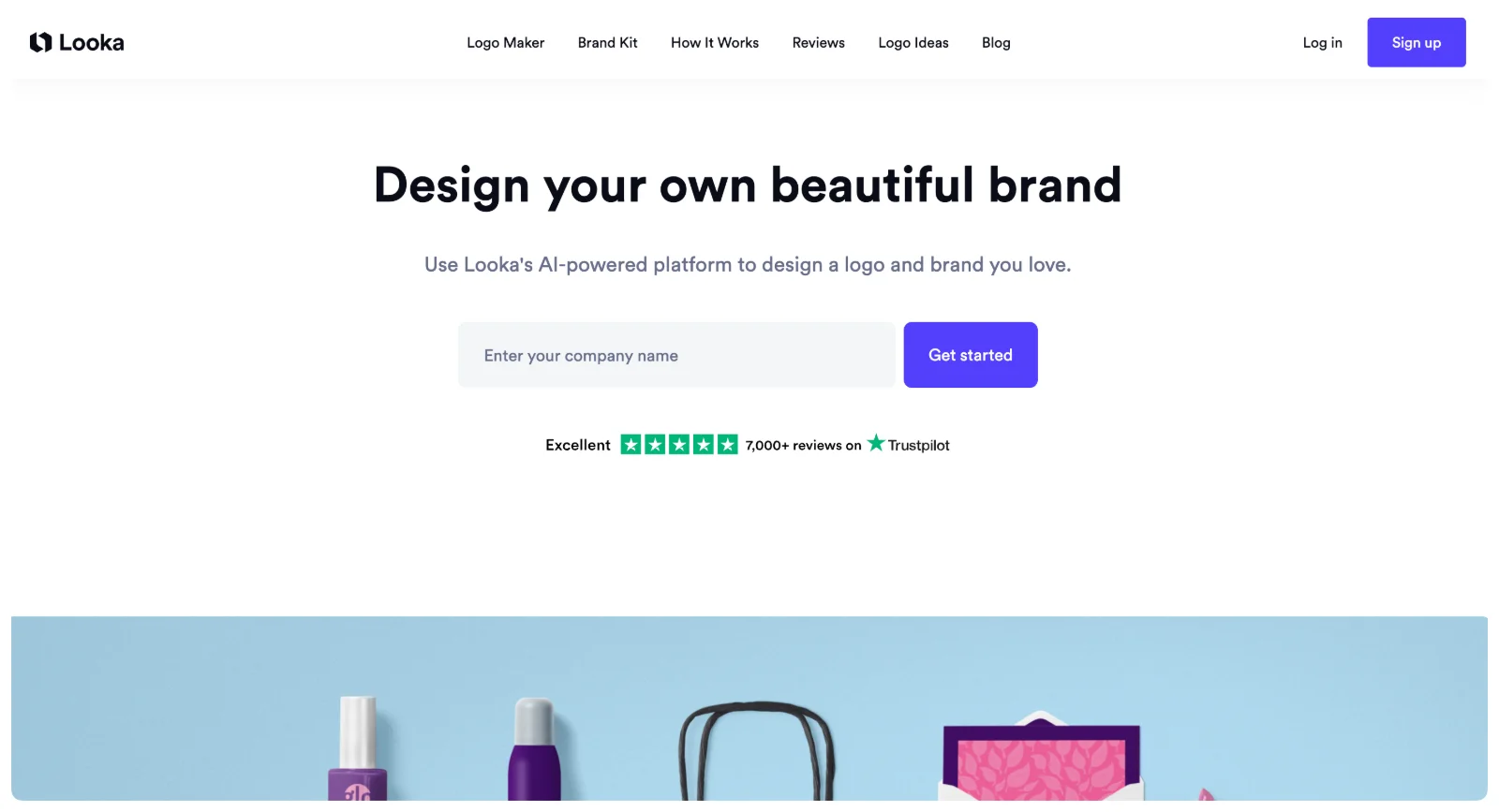 Looka uses AI to generate logo designs and brand materials based on user preferences. The platform targets small businesses and startups needing basic branding quickly.
Service focus:
AI-generated logo designs
Brand kit templates
Business card designs
Social media templates
Pricing: Logo packages from $20-65 one-time, Brand kit subscriptions $96-129 annually
How it works: Answer questions about business and style preferences, AI generates logo options, customize selected design, purchase and download files.
Best for: Very small businesses or startups needing basic placeholder branding with minimal budgets. Acceptable for early-stage companies before proper brand development.
Why it replaced contest platforms: Instant generation versus waiting days/weeks for contest results. Lower costs for basic logo needs. No designer coordination required.
Considerations: AI-generated designs lack strategic brand thinking. Results appear generic and template-based. Suitable only for very basic needs or temporary branding. Serious businesses need custom professional design for credibility and differentiation.
Choosing the right approach for your business
Design subscription services ($500-$2,500/month)
Choose when:
You have ongoing design needs (5+ projects monthly)
You want consistent brand execution across materials
You need reliable turnaround times and quality
Your business requires professional presentation to clients/investors
You prefer predictable monthly costs
Examples: Marketing teams with continuous content needs, agencies serving clients, startups building brand presence, B2B companies with regular sales materials
Freelance marketplaces (variable pricing)
Choose when:
You have specific one-off projects
You want to handpick designers for particular styles
You're comfortable managing direct relationships
You can evaluate portfolios and quality
Budget varies by project complexity
Examples: One-time website redesigns, specific campaign materials, companies with irregular design needs, businesses with design expertise to evaluate work
AI design tools ($0-$50/month)
Choose when:
You need very basic graphics or templates
Budget is extremely limited
You're creating internal documents or simple social media posts
You have time to DIY design work
Quality expectations are minimal
Examples: Very early startups, internal team documents, social media posts for small local businesses, placeholder branding before proper development
What businesses actually need
Most businesses fall into two categories:
Ongoing design needs: If you need logos, marketing materials, presentations, social media graphics, and website work regularly, design subscriptions provide the best value. Monthly costs of $1,295-$2,495 deliver unlimited work versus paying per project or running expensive contests.
Occasional design needs: If you have sporadic projects (quarterly campaigns, annual reports, specific one-off needs), freelance marketplaces let you hire quality designers as needed without monthly commitments.
AI tools work only for the most basic temporary needs. They don't replace professional design for businesses wanting credible brand presence.
Why contest platforms don't come back
The fundamental problems with contest platforms can't be fixed:
Speculative work is unfair: Asking designers to work for free on the chance they might get selected doesn't attract quality professionals. It attracts designers desperate for any work.
Middleman fees inflate costs: Platforms taking 40-60% of project costs while designers get minimal pay creates bad economics for everyone except the platform.
Quality remains inconsistent: Without professional vetting and ongoing relationships, quality varies wildly. You might get something decent or completely generic templates.
No brand consistency: After the contest, you have no designer relationship for future work, revisions, or maintaining brand standards across materials.
The industry moved to better models because businesses need reliable quality and designers deserve fair compensation. Modern approaches—subscriptions, direct freelancing, or AI tools for basic needs—serve these requirements better than contests ever could.
Making your choice
Consider your actual needs:
Budget and volume: If spending $1,295+ monthly makes sense for your design volume, subscriptions provide best value. If you have occasional needs, freelance marketplaces work better. If budget is extremely limited, AI tools provide basic capabilities.
Quality requirements: Professional branding for serious business needs requires professional designers—either through subscriptions or experienced freelancers. AI tools don't deliver quality suitable for credible business presentation.
Operational simplicity: Design subscriptions provide simplest operations—submit requests, receive professional work, no individual designer management. Freelance marketplaces require portfolio evaluation and relationship management. AI tools require DIY effort.
Long-term needs: Ongoing design needs justify subscription investments through unlimited work and brand consistency. Irregular needs suit project-based freelancing without monthly commitments.
The contest model failed because it served neither businesses (inconsistent quality) nor designers (unfair compensation). Modern alternatives provide better solutions for everyone involved.
Choose based on your actual volume, budget capacity, and quality requirements rather than hoping random contest submissions deliver professional results.
Ready to scale your business?
Get professional design and development capacity without hiring overhead. Consistent quality, predictable costs, always available.
Get started